
By Sandhiya Srinivasan, Founder & Lead Artist · Updated
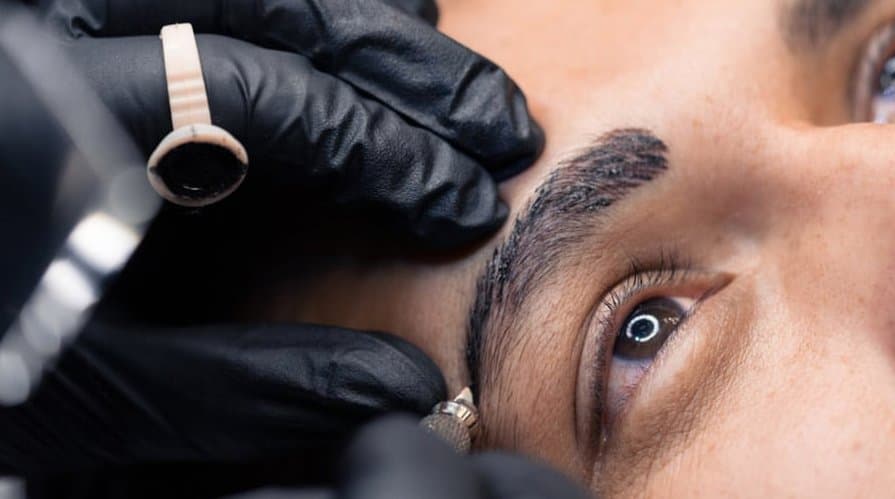
For most healthy adults, permanent makeup done by a trained artist with proper hygiene is a low-risk procedure. It does break the skin, though, so it carries some risks, and it is not right for everyone. Here is what you should know before you book anywhere.
The Main Risks
- Infection: The most serious risk, and almost always linked to poor hygiene or picking at the skin while it heals. Single-use needles and careful aftercare keep it rare.
- Allergic reaction: Reactions to pigment are uncommon but possible. If you have sensitive skin or known allergies, ask the clinic about a patch test before treatment.
- An uneven or unwanted result: The most common problem is not medical at all: brows or lips that heal patchy, the wrong shape or the wrong shade. This depends mostly on the artist's skill.
- Scarring: Rare with correct technique, but more likely if you tend to form keloids or raised scars.
- Cold sore flare-ups: Lip treatments can trigger cold sores in people who get them.
- Colour change over time: As pigment fades, it can shift slightly warmer or cooler. Good pigment choice for your skin tone reduces this.
Who Should Wait or Check With a Doctor First
- Pregnant or breastfeeding women: wait until afterwards.
- Anyone taking or recently off isotretinoin (for acne): wait until your doctor confirms your skin has recovered.
- Anyone on blood thinners, or with a bleeding or clotting condition.
- People with diabetes, especially if it is not well controlled, as healing can be slower.
- Anyone with eczema, psoriasis, active acne, sunburn or an infection on the area to be treated.
- Anyone having chemotherapy or with a weakened immune system.
- Anyone with a history of keloid scarring.
Hygiene Checks to Make Before You Book
- Needles and blades: Should be single-use, sterile and opened in front of you.
- Gloves: Fresh gloves for every client, changed if the artist touches anything else.
- Pigment: Poured into a fresh, single-use cup for each client, never dipped from the bottle. Ask which pigment brand is used and whether it is made for cosmetic use on the face.
- Room and surfaces: The bed, tray and any reusable tools should be cleaned and disinfected between clients.
- Health questions: A good clinic asks about your health, medication, allergies and skin before starting.
- Written aftercare: You should leave with clear aftercare instructions and a way to contact the artist.
Is Permanent Makeup Safe With MRI Scans?
Most people with permanent makeup have MRI scans without any problem. Occasionally, people report mild warmth, tingling or swelling in the treated area. Tell the radiographer about your permanent makeup before the scan, and tell your doctor or skin clinic before any laser treatment on the face.
What You Can Do to Stay Safe
- Tell the artist honestly about your health, medicines and allergies.
- Follow aftercare exactly, especially keeping the area clean and dry and not picking at flakes.
- Avoid swimming, sauna and steam until the skin has healed.
- Do not book right before a trip or a big event, so you can heal calmly.
When to See a Doctor
Some redness, swelling and tenderness in the first few days is normal. See a doctor if pain, heat, swelling or redness gets worse after the first few days, or if you notice pus, blisters, a rash or a fever.
Ask Us Anything First
If you have a health condition or are unsure whether permanent makeup is safe for you, message us on WhatsApp before you book. We would rather you wait, or check with your doctor, than rush into a treatment.